In Tampa, an emergency is any sudden concrete failure that creates an immediate safety risk. Examples include a new drop that makes you trip, a broken edge that can cut skin, a partial collapse, or a lifted section that blocks safe footing. In these moments, emergency concrete repair is less about looks and more about making the area safe and stopping further structural decline.
As experts in Tampa surface protection, the Peach Concrete Coatings team sees more urgent calls after heavy rain when a problem gets classified as serious and hidden washouts turn a minor flaw into a real hazard on your property in this Florida state. Emergency concrete repair services are available 24/7 for urgent situations.
Common Signs You Need Emergency Concrete Repair
Professional inspection is recommended for cracks on surfaces wider than 1/4 inch or those showing signs of movement. If any of these show up in high-traffic areas, treat it as time-sensitive:
- A new height change that turns a normal transition into a trip point
- A line that widens quickly and forms sharp edges instead of a fine mark
- A spot that feels soft, hollow, or crumbly with light pressure
- New pooling that was not there before and keeps returning after storms
- A panel that rocks, tilts, or sounds different under a normal step
Key Situations That Require Immediate Action
Addressing concrete issues promptly can help protect property owners from potential lawsuits. If you see any of these, treat it as urgent concrete repair and limit use until it is checked.
- A vehicle entry area breaks at the curb transition, making it unsafe to pull in or back out
- A poolside walking path develops a sudden lip where bare feet often land
- A business walkway lifts and creates a clear trip hazard for visitors
- A parking or storage area sheds chunks and exposes sharp material
- A storm, plumbing leak, or irrigation failure triggers immediate settlement near a wall or column
Types Of Emergency Concrete Damage
Tampa homes and shops can face more than normal wear, especially after heavy rain or drainage problems. Knowing common patterns helps you describe what you see, explain the severity, and speeds up the response when a contractor is called.
Sudden Slab Settlement
A void can form under a panel when soil washes out or compacts unevenly. Settlement often shows up as a drop at a seam or a slope that directs water toward the wrong place. Mudjacking or polyurethane foam injection is used to stabilize sunken, uneven concrete slabs.
Heaving And Uplift
Roots and shifting moisture can push sections upward. Even a small rise can be dangerous in low light, glare, or when you are carrying items.
Structural Cracking With Movement
Some breaks stay stable, but others shift when weight is applied. If the line opens and closes or the edges grind, the support underneath may be compromised. Epoxy injection is effective for sealing and restoring structural integrity in cracked concrete. Pressurized injection techniques allow deep penetration into cracks without major excavation.
Spalling And Surface Breakup
Heat, sun, and repeated wetting can weaken the top layer over time. Once pieces start breaking off, the area can lose more material with repeated traffic. Minor spalls are defined as damage less than 1 inch deep and covering an area less than 12 square inches. Intermediate spalls expose a majority of the outer cage of reinforcing bar or strand circumference or are greater than 2 inches deep.
The best repair method for minor spalls is typically neat epoxy or epoxy mortar. Proprietary, bagged concrete repair materials are typically used to repair intermediate spalls. Major spalls typically require the use of batched concrete with properties similar to the parent material for repair. Polymer-modified mortars are suitable for durable patching of spalling or small localized holes.
Impact Or Overload Damage
Dropped equipment, a vehicle bump, or overloaded storage can fracture corners and edges. These breaks can leave loose fragments that should be cleared quickly.
What To Expect During An Emergency Service For Concrete Repair
A professional response usually starts with safety control, then moves to diagnosis and stabilization for outdoor areas and indoor floors in a building.
Documentation
The first step is a documented concrete damage assessment that checks edges, tests for loose sections, and looks for voids that can expand.
Damage assessment of concrete structures is essential for evaluating structural safety and performance. Damage indices are used to quantify the degree of damage in concrete structures and guide repair decisions.
Clearing the area
Next, the crew may block off the area, clear debris, and apply a temporary patch formulated for quick curing if needed. In most cases, the goal is to make the surface safer right away without masking the underlying cause. A rapid setting mix can help reopen a path sooner, but the result still depends on solid prep and the right procedure.
Surface Prep
Surface preparation for emergency repairs includes cleaning, removing loose material, and undercutting edges to create a mechanical key:
- Hydraulic water-stop cement expands as it sets within 3-5 minutes to plug active leaks.
- Rapid-hardening cement sets in 15-30 minutes, allowing for quick repairs and rapid traffic restoration.
- Water-activated powder fillers like BEHR Fast Drying Concrete Crack Filler set in 1 hour after being misted with water.
- For rapid-set products, water curing should begin as soon as the surface loses its moist sheen to prevent cracking.
- Emergency concrete repairs can often return to service within 1 to 24 hours, depending on the materials used.
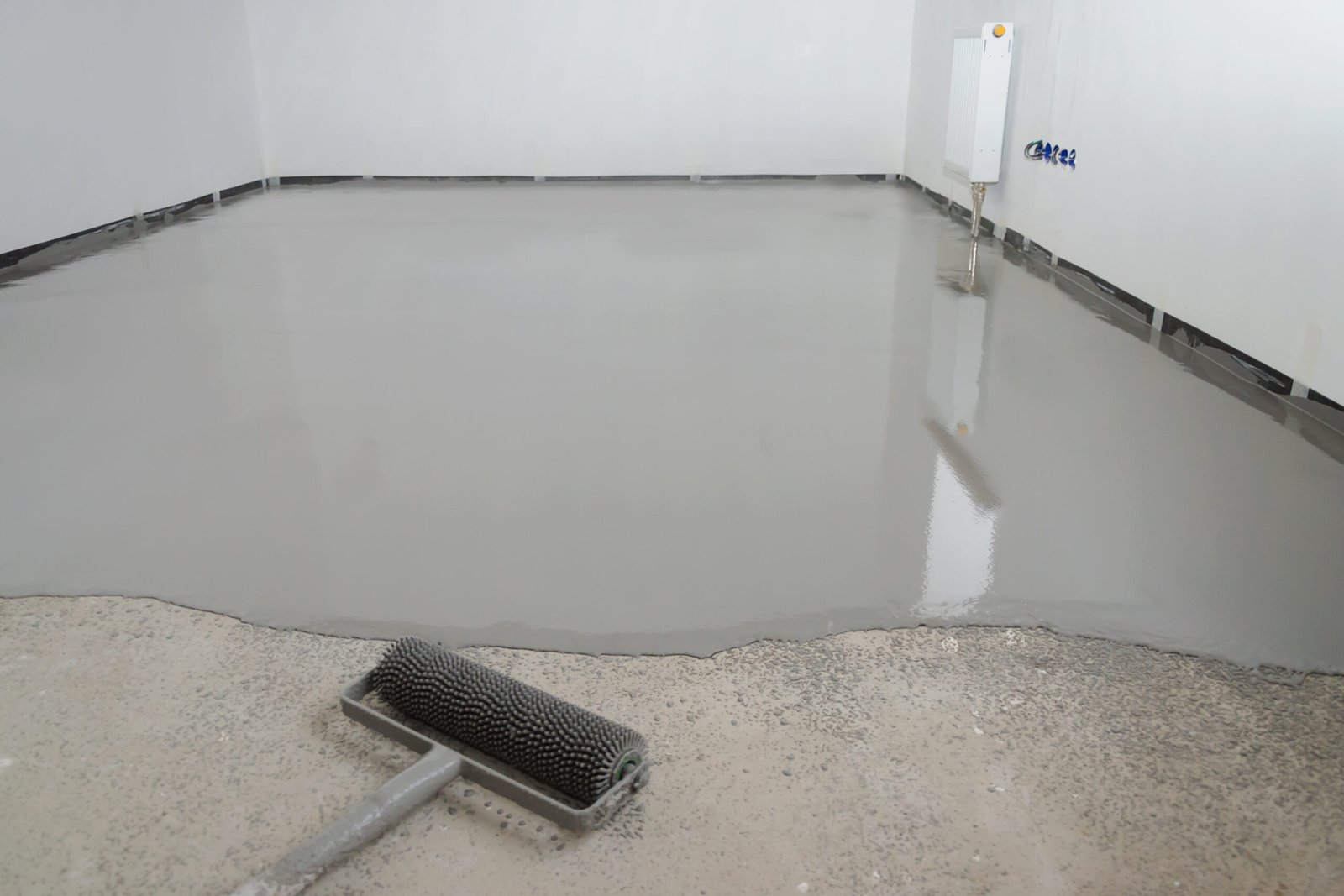
For full restoration, the plan may include leveling, joint rebuilding, or resurfacing. The chosen method should match the expected capacity and the maximum loads in that spot, whether it is foot traffic, carts, or vehicles. Good contractors also consider compressive strength and curing requirements before confirming the area is ready for normal use.
If the slab is stable after structural work, protective finishes can help restore quality and appearance while reducing moisture intrusion. An effective coating designed to handle hot tires, spills, and heavy use can also improve traction.
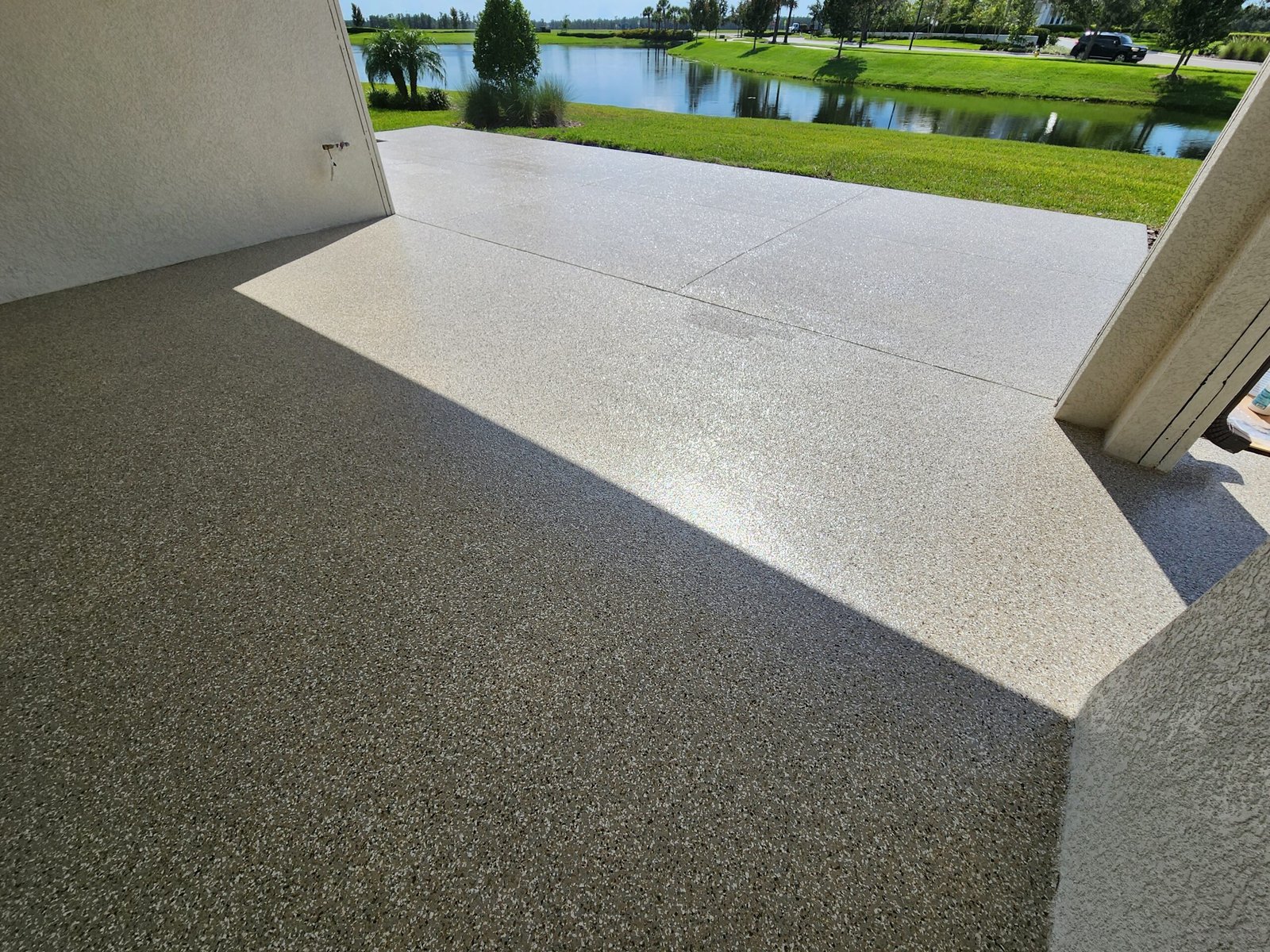
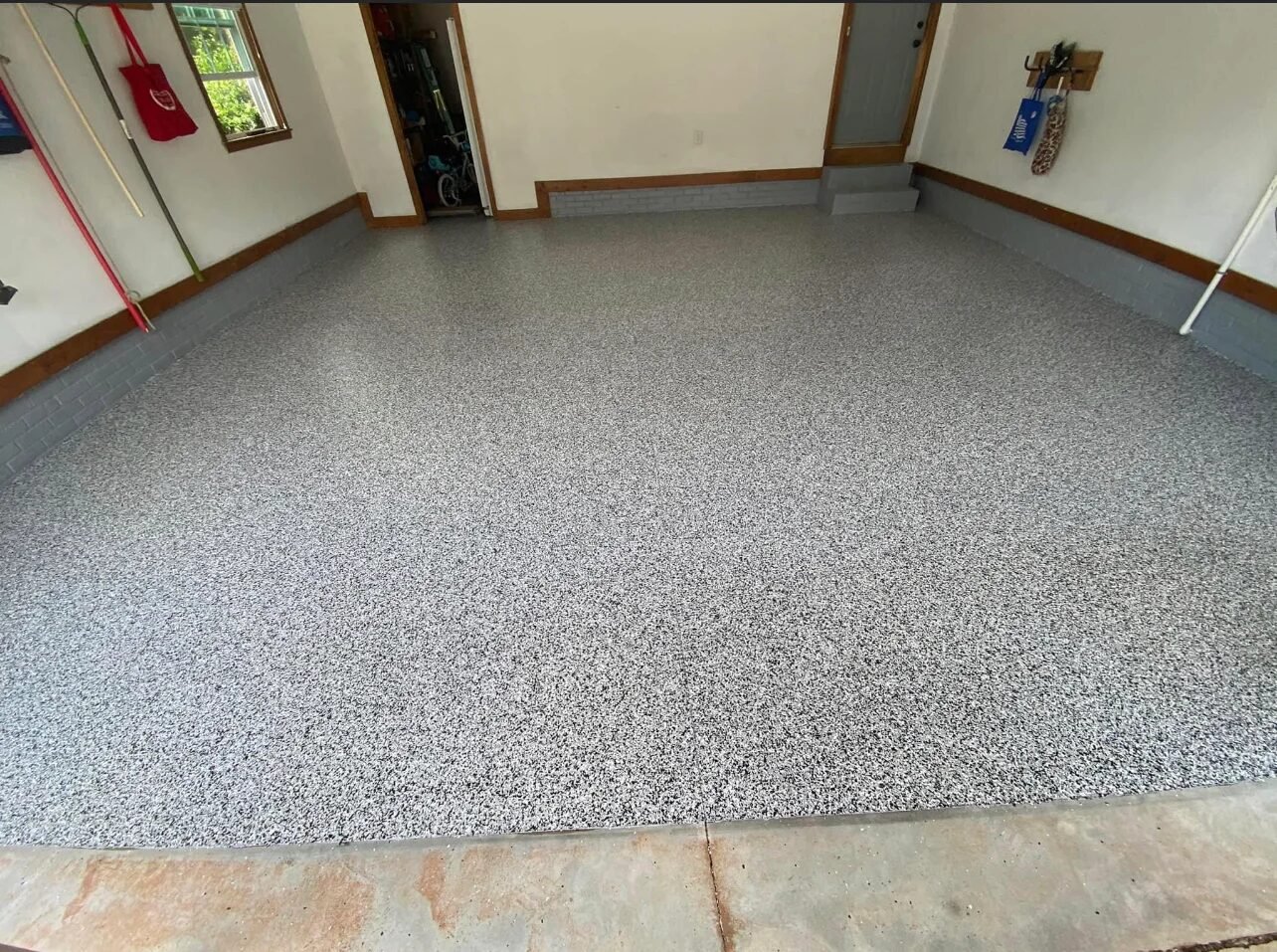
Protective coatings can also help when the base is stable. Options include garage coating, patios, driveways, pool decks, and commercial coating applications, with textures recommended for wet seasons.
How To Choose A Contractor In Tampa And Get A Fast Damage Assessment
A reliable contractor explains the configuration of the problem, the likely cause, and the step plan to stabilize it, then puts the scope in writing so you can compare options and move forward with confidence.
Ask how the crew will protect people during the visit, what equipment is required, and how the area will be kept safe until it cures. If a slab is affected by washout, the contractor should explain how they will determine whether a deeper support issue exists and whether any structural component needs attention. Finally, check recent reviews from Tampa, St. Petersburg, and nearby neighborhoods, and ask for local references.
Cost Factors Involved In Emergency Repairs
Emergency pricing varies because the scope can change once the surface is inspected. Cost generally follows the size of the damaged area and the complexity of the job. Materials also matter. Moisture-tolerant products and specialty patching compounds can cost more, but they can reduce repeat failures. Professional concrete repair services can enhance property value and curb appeal.
Site conditions influence labor too. Tight access can slow staging, and stored items may require removal before work begins. The goal is to regain stability without rushing cure time or skipping prep.
Emergency work can include an urgency premium, but it often prevents higher costs later. Delays can lead to wider cracking, water intrusion, or a larger break that can occur the next time the surface is loaded.
FAQs
How Fast Can A Crew Get To You In Tampa?
Response time depends on demand and weather conditions. Same-day triage is common, but after major storms, schedules fill quickly. Call early and describe the hazard clearly.
Are Sudden Repairs Covered By Insurance?
It depends on the cause. Some policies help when the damage is tied to a covered event, while long-term settling is often excluded. Take photos, document what happened, and review your policy language.
What Can You Do While Waiting?
Treat the spot as a safety zone. Block it off, keep kids and pets away, and avoid loading it.
What Should You Look For Online Before You Call?
Confirm the company serves your area and check recent reviews. If you see a link that starts with http, confirm it matches the business name and contact details.
Conclusion
If you need emergency concrete repair in Tampa, treat it as a safety issue and act quickly. For help across Tampa Bay, contact Peach Concrete Coatings at 813-295-6813 to request an estimate. You get local experience, clear communication, and coating options that can often be completed in one day, with a 15-year warranty on qualifying systems and certified Simron installation. Ask about services for large areas and what options they offer for your next project.