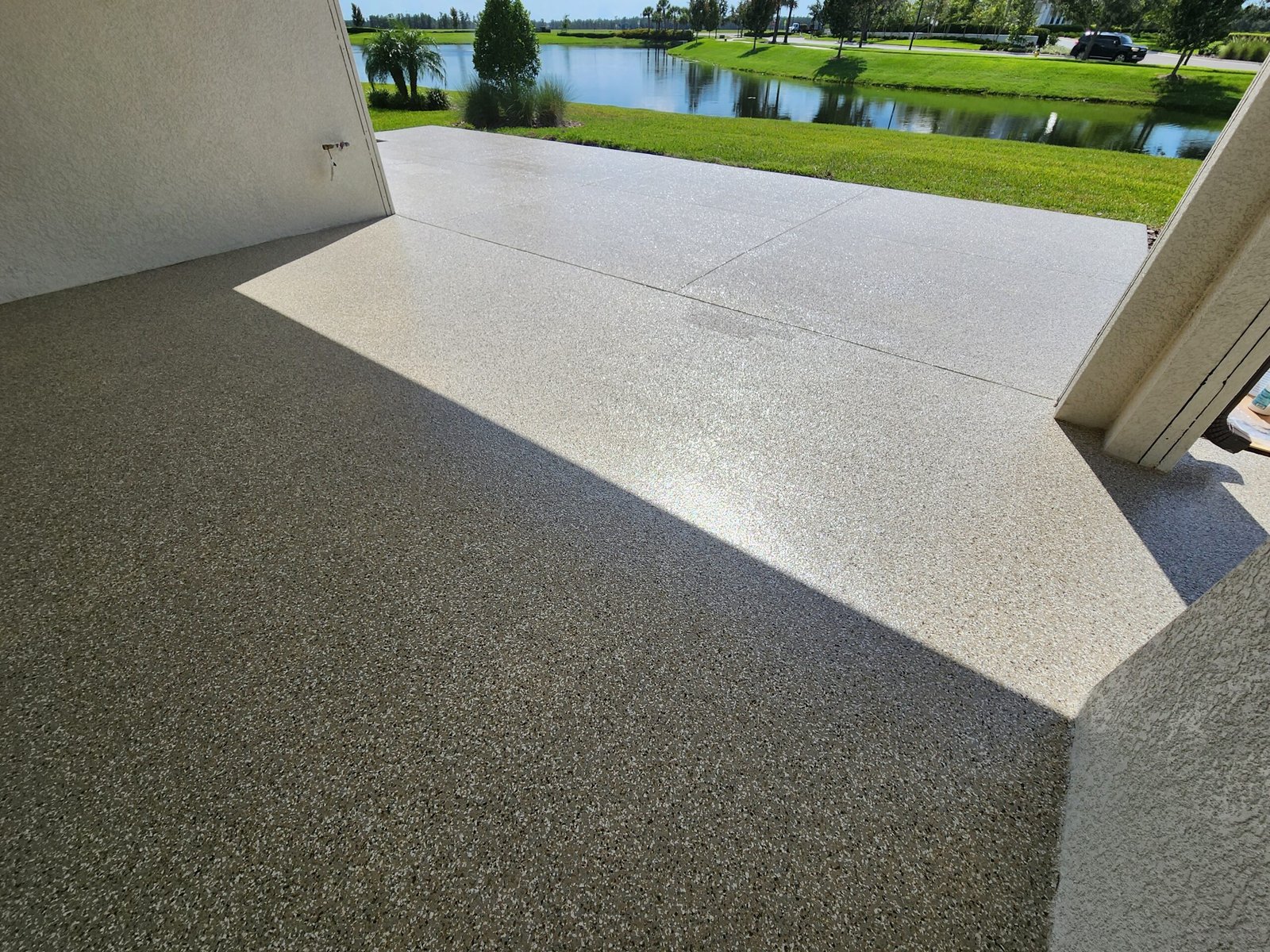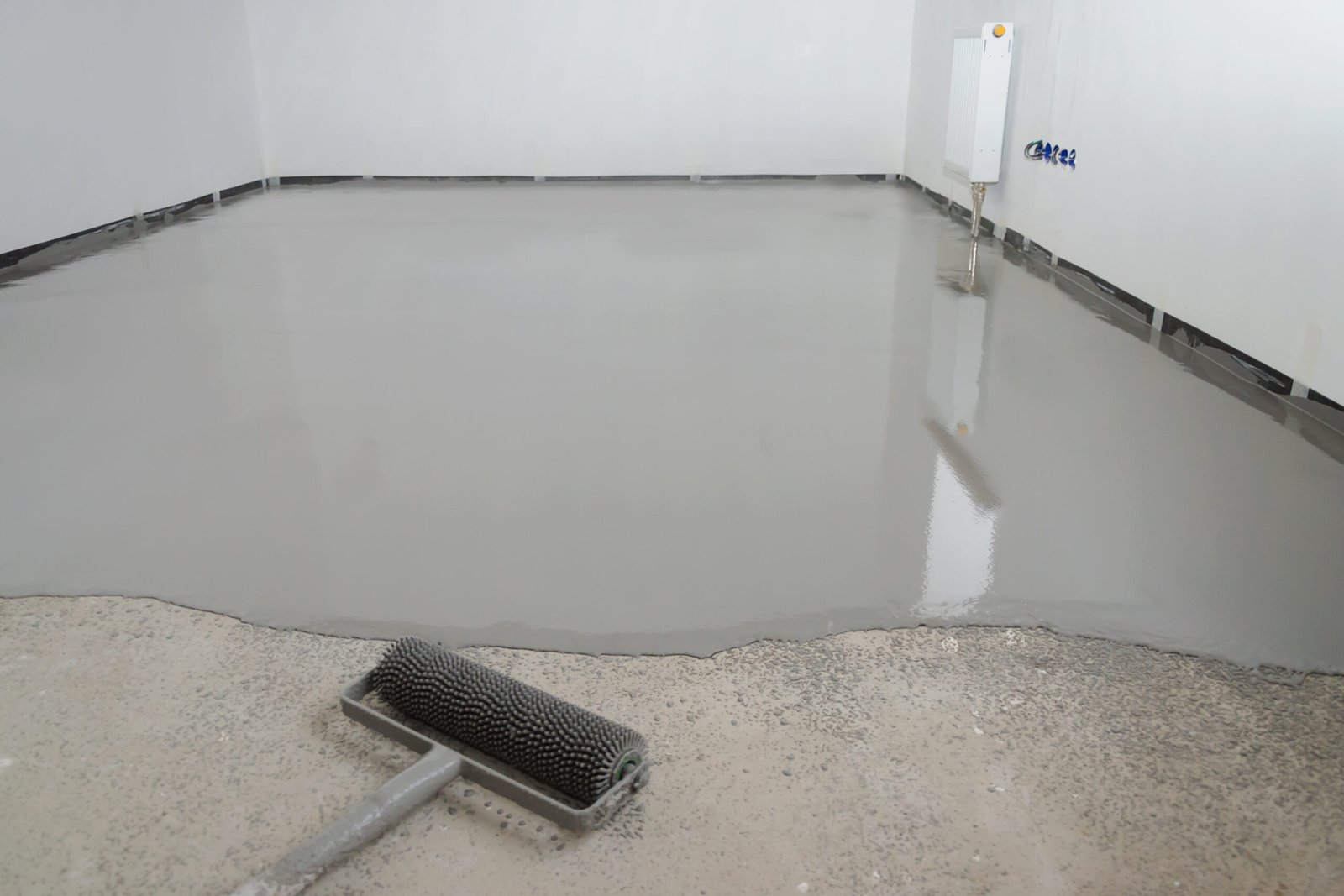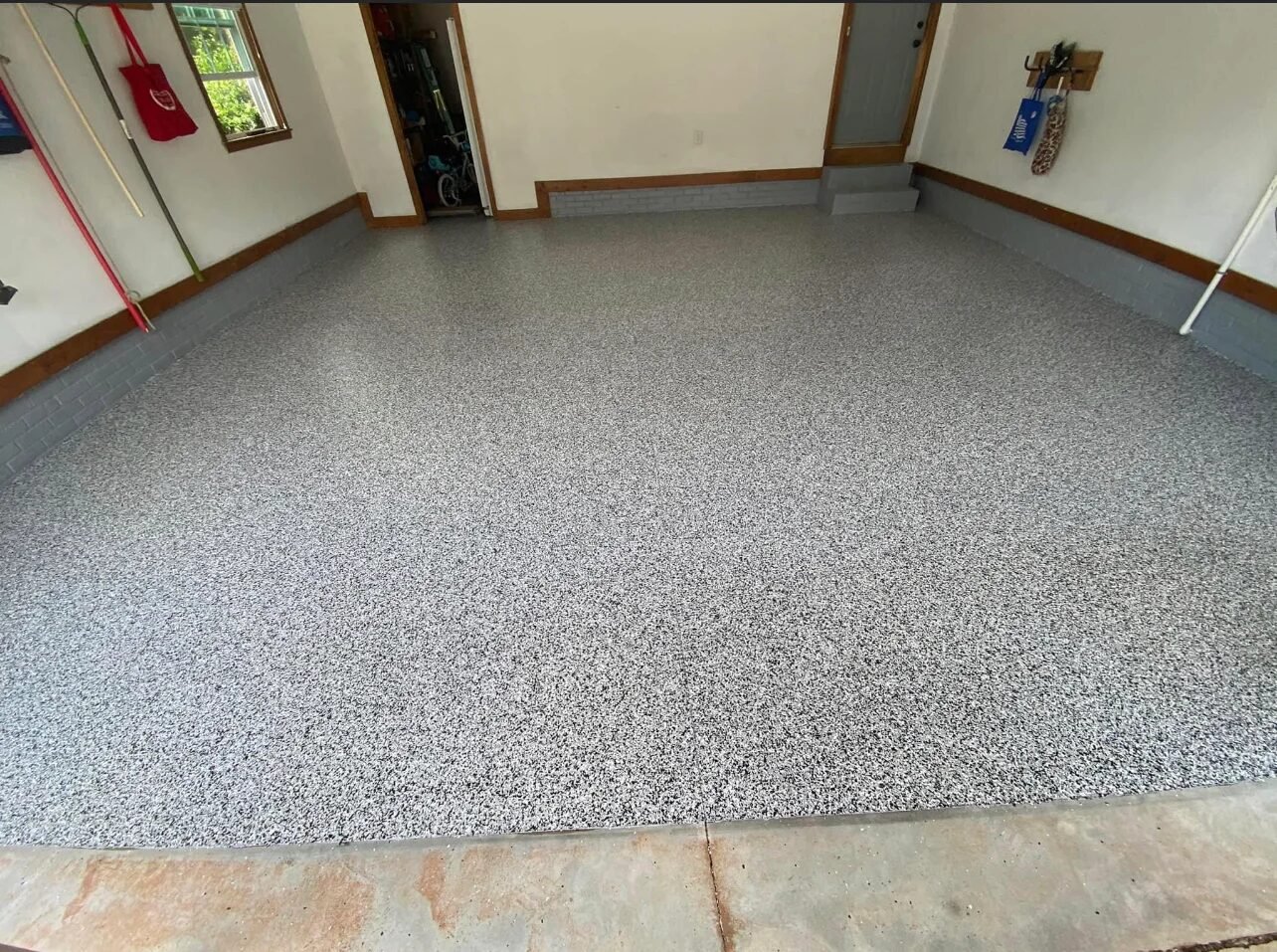
During a concrete slab installation in Tampa, you can expect a clear sequence from start to finish. The crew measures and marks the area, checks utilities, prepares the ground, builds forms, places reinforcement, pours concrete, then finishes and begins curing. The fast part is pour day, but the outcome depends on what happens before that, especially grading, compaction, and timing.
Tampa adds a few local factors you should plan for. Heat and humidity can shorten the finishing window, and sudden rain can force a reschedule or require quick protection. Soil can also vary from firm to sandy or soft in pockets, which makes base preparation and drainage planning more important. Experienced local teams, including Peach Concrete Coatings, often see the same pattern. Slabs last longer when the prep work is done right and curing is not rushed.
Key Preparation Steps Before The Installation Begins
Before any concrete is poured, a few key steps keep your project on track and help avoid preventable issues. When you know what to expect, you can ask better questions and feel confident about the plan.
- Confirm what the slab will support, like vehicles, a structure, or equipment, so thickness and reinforcement match the job
- Schedule a site evaluation and layout, then coordinate permits if required and request utility locating so lines are marked before digging
- Prioritize concrete foundation preparation by removing soft topsoil, clearing roots, and correcting weak areas so the slab sits on stable ground
- Plan grading and runoff so water moves away from the slab, which matters during Tampa’s rainy season and frequent storms
- Choose the mix and finish that fit the space and conditions, and coordinate with any related residential concrete services you may want later, like a garage upgrade or an outdoor living improvement
The 5 Stages Of A Typical Concrete Slab Installation In Tampa
Most slab projects follow the same five stages. When you understand them, it is easier to spot good workmanship and avoid rushed decisions. A well-run project feels organized, not chaotic.
- Excavation: The crew removes grass, loose soil, and unsuitable material to reach a stable depth. In Tampa, they may dig deeper in areas that stay wet or feel soft. If an old slab is being replaced, demolition and removal happen here.
- Formwork setup: Forms create the slab shape and set the final height. Forms should be staked firmly, squared, and leveled. This is also where slope is set so water drains off the surface rather than pooling.
- Base material and reinforcement: A compacted base helps reduce settling and cracking. You may see crushed stone or similar base material added and compacted in layers. Reinforcement is then placed, often wire mesh or rebar depending on the slab’s purpose.
- Pouring the concrete: Concrete is placed, spread, and leveled once the truck arrives. Tampa heat can speed up drying at the surface, so crews plan the workflow to keep finishing consistent. If rain is likely, you may see plastic sheeting and a plan to protect the fresh slab.
- Finishing and curing: Finishing sets the final texture, edges, and control joints. Then curing begins, which is when concrete develops strength. Curing is not an extra step. It is a core part of the process that affects durability.
Materials And Equipment Commonly Used
Concrete mixes in the Tampa area are often chosen with heat, humidity, and outdoor exposure in mind. Many slabs use a standard mix for typical flatwork. Heavier-use slabs may call for higher strength targets. Contractors may also use admixtures to help with workability and set timing in warm weather. The goal is straightforward. You want concrete that can be placed and finished well, then cured properly for long-term performance.
You will also see a mix of machines and hand tools working together. A ready-mix truck delivers concrete, then placement happens with chutes, wheelbarrows, or a pump when access is limited. Screeds help level the surface, bull floats smooth it, and trowels refine the finish. A plate compactor is common during base prep. Laser levels and string lines help keep elevations accurate. For curing, crews may use curing compounds, sprayers, or coverings that help retain moisture in the slab.
Common Challenges During Slab Installation In Tampa
Weather is the main reason schedules change. Tampa heat can tighten the finishing window, and rain can arrive quickly, even when the day starts clear. A dependable contractor will discuss timing, protection plans, and backup dates so you are not left guessing.
Soil and drainage are also common challenges. Sandy or uneven soil can settle if it is not corrected and compacted. Poor drainage can keep the subgrade wet, which increases movement over time. If water flows toward the slab, you can end up with pooling and faster wear, especially outdoors. Proper grading and base work are the best ways to reduce these risks.
Expert Tips To Ensure A Durable Concrete Slab
You do not need a complicated plan to get a durable slab. You need a few smart choices that support quality and consistency. These tips help you reduce risk and improve long-term results.
Choose The Right Contractor
Choose a contractor with licensing, insurance, and a clear written scope. Ask how the base will be compacted, how thickness will be checked, and how curing will be handled in Tampa heat. A qualified contractor can explain the process in plain language and provide clear expectations.
Focus On Proper Drainage
Water control protects the slab. Make sure the slab is graded so water runs away from it. Pay attention to downspouts, sprinkler overspray, and nearby low spots. In Tampa, strong drainage planning helps prevent future staining, pooling, and settlement.
Don’t Rush The Curing Process
Curing takes time. Even when the surface feels hard, the slab is still gaining strength. Follow guidance on when you can walk on it, drive on it, or build on it. Contractors often see better long-term performance when curing is treated as a priority, not a quick finish-line step.
Use Reinforcement Wisely
Reinforcement helps manage cracking and supports load needs, but only when it is designed and placed correctly. Mesh and rebar each have roles. The best option depends on slab thickness, soil conditions, and how you will use the slab. Make sure reinforcement is placed where it will perform, not just included in the plan.
Plan For Expansion Joints
Concrete expands and contracts. Joints help control where cracks form, which protects appearance and performance. Joint spacing and placement should match the slab size and layout, and cuts should be made at the right time. In a warm climate, this step plays a big role in long-term results.
What Homeowners Should Do After The Slab Is Poured
After the pour, protect the slab while it cures. Keep foot traffic and heavy items off the surface until the contractor says it is safe. Some slabs allow light foot traffic within a day or two, but timing depends on the mix, weather, and finish. Driving on the slab usually takes longer. Building on it should follow the contractor’s schedule.
Keep the surface clean during early curing. Avoid dragging items across it. If the slab is outdoors, watch for pooling water and reduce repeated edge soaking from sprinklers. If sealing is planned, ask about timing. Sealing too early can trap moisture. Sealing too late can allow stains to set. If you plan to coat the slab later, ask what conditions must be met so the coating system performs as intended.
Hiring The Right Contractor For Concrete Slab Installation In Tampa
Hiring well is one of the best ways to protect your budget and timeline. Choose a contractor who provides clear communication, detailed estimates, and a process that includes base prep, reinforcement, finishing, and curing. Local experience matters because Tampa weather and soil conditions affect scheduling and preparation.
Use reviews and past work to confirm reliability. Look for patterns that mention professionalism, site cleanliness, and follow-through. Ask to see examples of similar slabs. If you want to protect the finished surface later, Peach Concrete Coatings is one local option with one-day installation for coating projects, a 15-year warranty, and certified Simron installers. Those details can add confidence if coatings are part of your long-term plan.
Next Steps
If you want a clear plan and dependable results, contact Peach Concrete Coatings to request an estimate or consultation. Call 813-295-6813 and ask about service in Tampa and nearby areas, plus options for protecting your slab after your concrete slab installation is complete. You will be working with a local team that focuses on quality workmanship, durable finishes, and warranty-backed support.