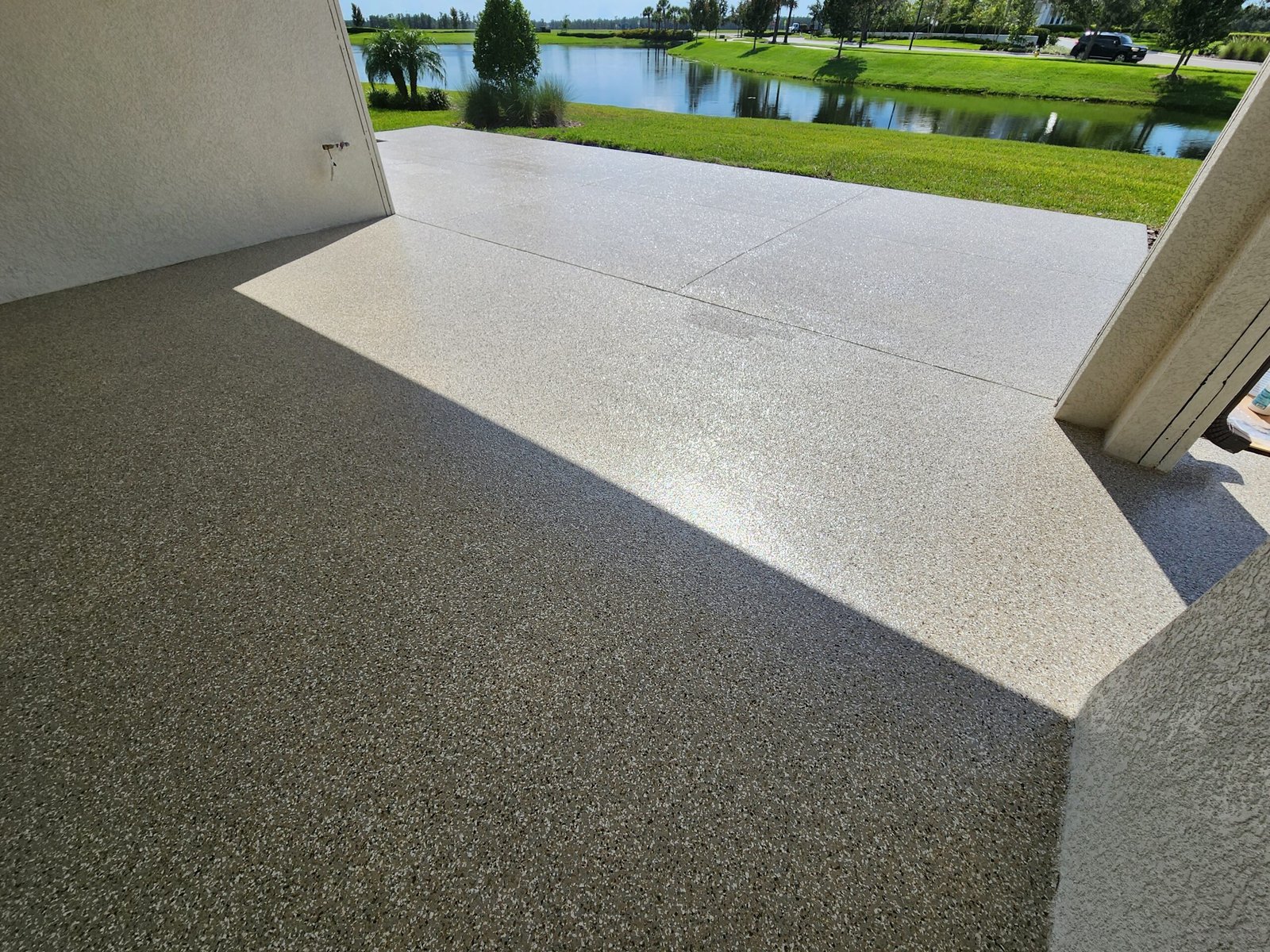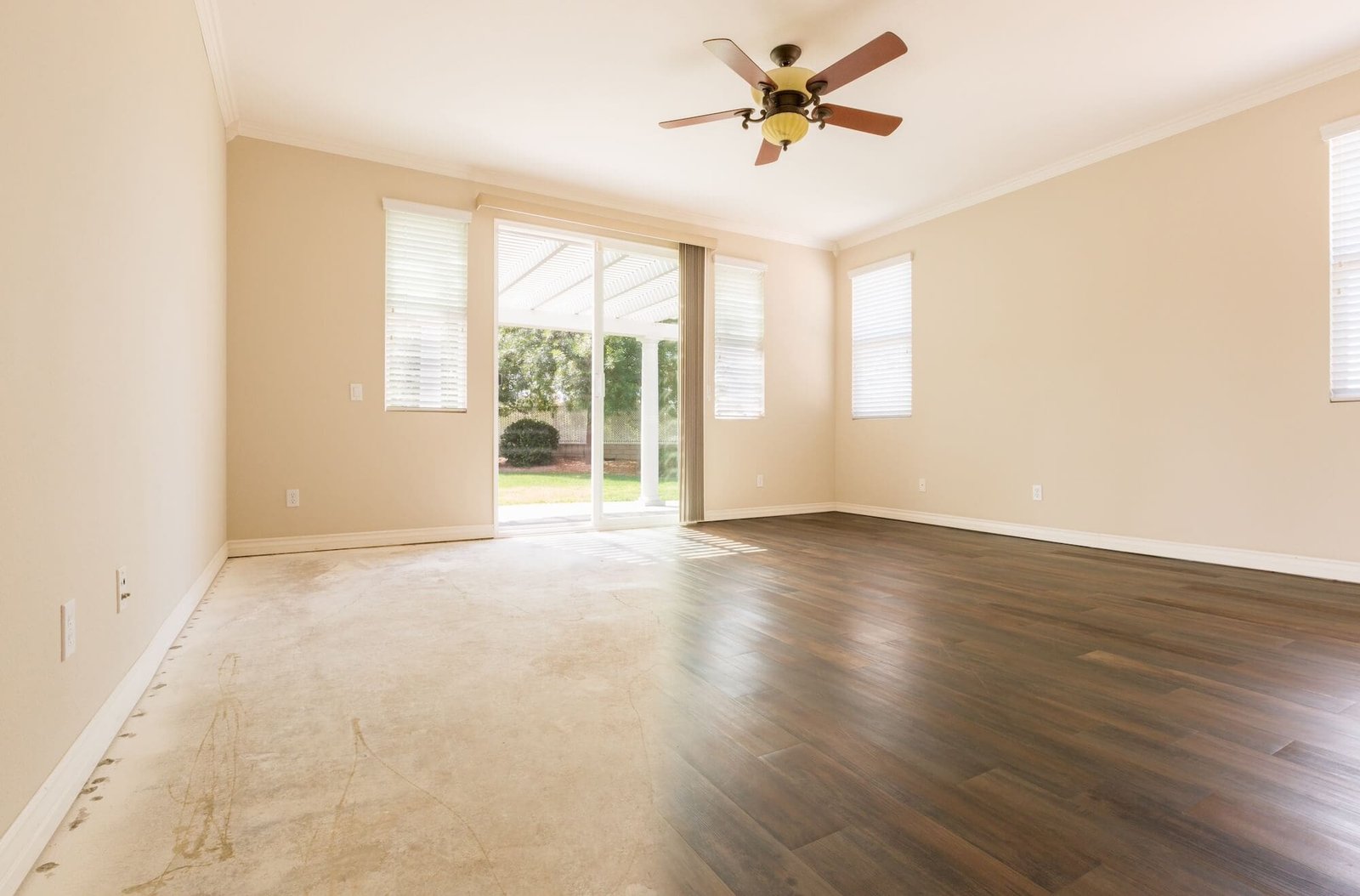
Concrete floor repair means fixing a damaged slab before small problems become expensive ones. Catching damage early is the single biggest factor that separates a quick fix from a full replacement. Timing matters more than most people realize, and this article helps you understand exactly what to look for.
Concrete looks tough. But it still breaks down, and the signs show up long before things get critical. Once you know what to watch for, it gets a lot easier to act before the situation gets out of hand.
What Causes Concrete Floors to Break Down?
Concrete floors go through a lot. Heavy foot traffic, sun, moisture, chemicals, and shifting ground all put stress on the surface. In Tampa, the heat and humidity make things worse. Dirt, oil, and grease that sit on the surface do not just look bad. Over time, they work their way in and weaken the slab.
Concrete is porous. It soaks up water and expands and contracts with temperature changes. That cycle creates stress deep in the slab. The wear builds quietly, and it can tear through the sub-layer before it shows up on top. That is why damage left alone tends to get worse fast.
Signs Your Concrete Floor Is Telling You Something
Your floor sends signals long before things become serious. The signs start small and are easy to miss. Here are five things worth paying close attention to:
- Cracks running across the surface: These range from thin hairline fractures to wider, more visible splits. Cracks wider than a quarter inch usually mean movement is happening deeper in the slab, not just at the surface.
- Spalling and flaking: Chunks of the surface breaking off and leaving rough patches behind. This is often a sign that moisture or chemical stains have weakened the top layer over a long period of time.
- Stubborn discoloration: Persistent color changes or dark spots left behind by oil, water, or chemicals. Once they penetrate, they are very hard to get removed and a standard cleaner usually will not cut it.
- Uneven or sunken areas: Sections of the floor that have settled, shifted, or heaved. This points to movement or erosion happening in the base layer beneath the slab.
- White powder forming on the surface: A chalky film that appears when moisture carries minerals up through the concrete and leaves them behind as it dries.
How Bad Is It? 5 Levels of Concrete Floor Damage
Not every crack signals a crisis. Some issues are cosmetic. Others go all the way to the base. Knowing where your floor falls helps you see what kind of service it needs. These five levels move from light surface wear to serious structural failure.
- Light surface wear: Fading, minor scuffs, or slight discoloration. The slab is still solid and performing well. This is the perfect time to add protection before anything progresses.
- Hairline cracks and early pitting: Small fractures and shallow surface erosion that have not yet reached the slab’s reinforcement. This is the ideal stage for early action and the ideal choice for prevention.
- Moderate cracking and spalling: Wider fractures and areas where the surface has broken away. Performance starts to be affected at this point, and the deterioration tends to spread quickly without attention.
- Structural cracking and settling: Deep fractures, sunken sections, and visible movement in the slab. This goes beyond surface-level work and calls for a more thorough structural approach.
- Subbase failure and widespread deterioration: The slab is extensively fractured and the base layer has given way. Restoration at this stage may require epoxy injection, which can produce a bond that is actually stronger than the original concrete.
Types Of Repair Methods For Concrete Floors
There is no single fix that works for every floor. Different methods target different types and depths of damage. The right approach depends on the extent of the problem and what the space is used for.
Crack Filling And Patching
Repairing a concrete floor involves power washing, widening cracks, applying a bonding agent, and filling with the right materials like epoxy or polymer-modified mortar. Preparation includes using a hammer and masonry chisel to remove loose debris and a wire brush for cleaning.
A bonding agent is a liquid primer applied to old concrete to ensure the new patch material adheres correctly. For cracks less than a quarter inch, liquid filler, sealant, or injection epoxy will seal and bind them. Cracks wider than a quarter inch should be undercut into an inverted V shape to create a secure bond.
If you are planning to paint or seal afterward, use a filler labeled as paintable. Cure times vary. Some rapid-set fillers are ready in 15 to 45 hours, while others take several days depending on the application and conditions.
Surface Grinding And Prep
Grinding removes the damaged top layer and levels uneven areas. It creates a smooth base that bonds far better with new materials. A degreaser or concrete cleaner is used to sweep away residue, paint, grease, dirt, and loose material before any coating is placed.
A concrete acid based surface treatment is often used to etch the concrete so new materials adhere properly, delivering lasting adhesion. The surface needs to be completely dry before anything goes down. As experts in concrete surface polishing, we have seen how skipping this step leads to coatings that peel within months.
Concrete Overlays And Micro Toppings
Concrete resurfacing systems can transform an existing concrete slab into a beautiful surface. Decorative concrete overlay products can be designed and applied over waterproof decking systems for deck repair and new construction. Resurfacing products come in an almost endless range of color and patterns, depending on the style you want.
Many decorative overlay systems can be applied outdoor and indoors, making them a strong option for any interior building project or exterior space. The application of decorative resurfacing can improve a building or home’s value and aesthetics significantly.
Spalling and surface damage can be addressed with self-leveling overlays or concrete resurfacers, which pour over the affected area and create a fresh, durable finish. In our experience working across Tampa and surrounding areas, most customers tell us this system delivers the best visual results while still being practical long-term.
Water Based Sealers And Sealer Types
Concrete floor sealing is one of the most effective ways to protect a repaired surface and extend its life. There are different types of concrete sealers, including acrylic, water-based, solvent-based, and penetrating.
Acrylic sealers are easy to apply and offer a cost-effective solution. Water-based sealers are a safer choice for indoor projects because of their low VOC floor sealer content, making them ideal for enclosed spaces where air quality matters. Most sealers are clear, meaning they improve the look of the surface without dramatically changing its appearance.
Concrete sealers provide a protective barrier that enhances the longevity of any surface. Sealers need to be applied in dry conditions to ensure proper adhesion. It is also important to let new concrete cure for at least one month before a sealer goes on.
Penetrating Sealers And Solvent Based Sealer Options
Penetrating sealers work differently from surface coatings. Rather than sitting on top of the concrete, they soak deep into it. This creates a penetrative moisture sealant barrier from within, which makes them especially effective in high-moisture environments. These sealers build a protective barrier against moisture and deicers by seeping deeper into the concrete, making them a strong choice for outdoor slabs and pool decks in Florida’s climate.
A solvent based sealer is generally more durable than water-based options and produces a high-gloss finish, combining strong protection with resistance to oil and chemical exposure. Mix the right sealer type to match the specific demands of the space. Our advice as industry experts is to wait the full recommended cure time before returning foot traffic. Rushing the process undoes a solid sealer job fast.
Why Waiting Too Long Will Cost You More
Small damage does not stay small. A hairline crack lets moisture in. That moisture expands and contracts with heat cycles, pushing the crack wider each season. What starts at the surface can reach the structural layer fast, and the surrounding area starts to deteriorate once water has a path into the base.
Concrete problems rarely stay isolated. Wood flooring, tile, and connected concrete sections can shift or crack as load distributes unevenly. A failing slab affects drainage, stability, and everything built above it. Every month of delay adds to the scope of the fix.
Based on what we have seen across projects in Tampa and the surrounding communities, floors handled at early stages require far less material and far less time. Customers who act before damage spreads save significantly compared to those who wait. Acting early is not just practical. It is genuinely the smarter financial move.
Where Does Your Floor Stand?
If any of these signs look familiar, a professional assessment is the right next step. At Peach Concrete Coatings, we specialize in concrete floor repair for homes and businesses across Tampa, Brandon, Riverview, Lakeland, and the surrounding areas. With a 15-year warranty, certified Simron installation expertise, and a one-day install process, we make the whole experience straightforward. Call us to book your assessment.